Table of Hope
Give the gift of support and restoration.
Healing often begins in community around a table.
Sponsor a Table of Hope gathering, where caregivers supporting refugees are nourished through shared meals and trauma-informed care. Each table creates space for rest, connection, and hope for those who have been carrying heavy stories alone for far too long.
Whether you sponsor one table or many, your generosity makes it possible for caregivers to be seen, heard, and supported in community. This is care that restores dignity and you are part of it!
Care meets community at the table
〰️
Care meets community at the table 〰️
Food is not an accessory to our work. It is central to it.
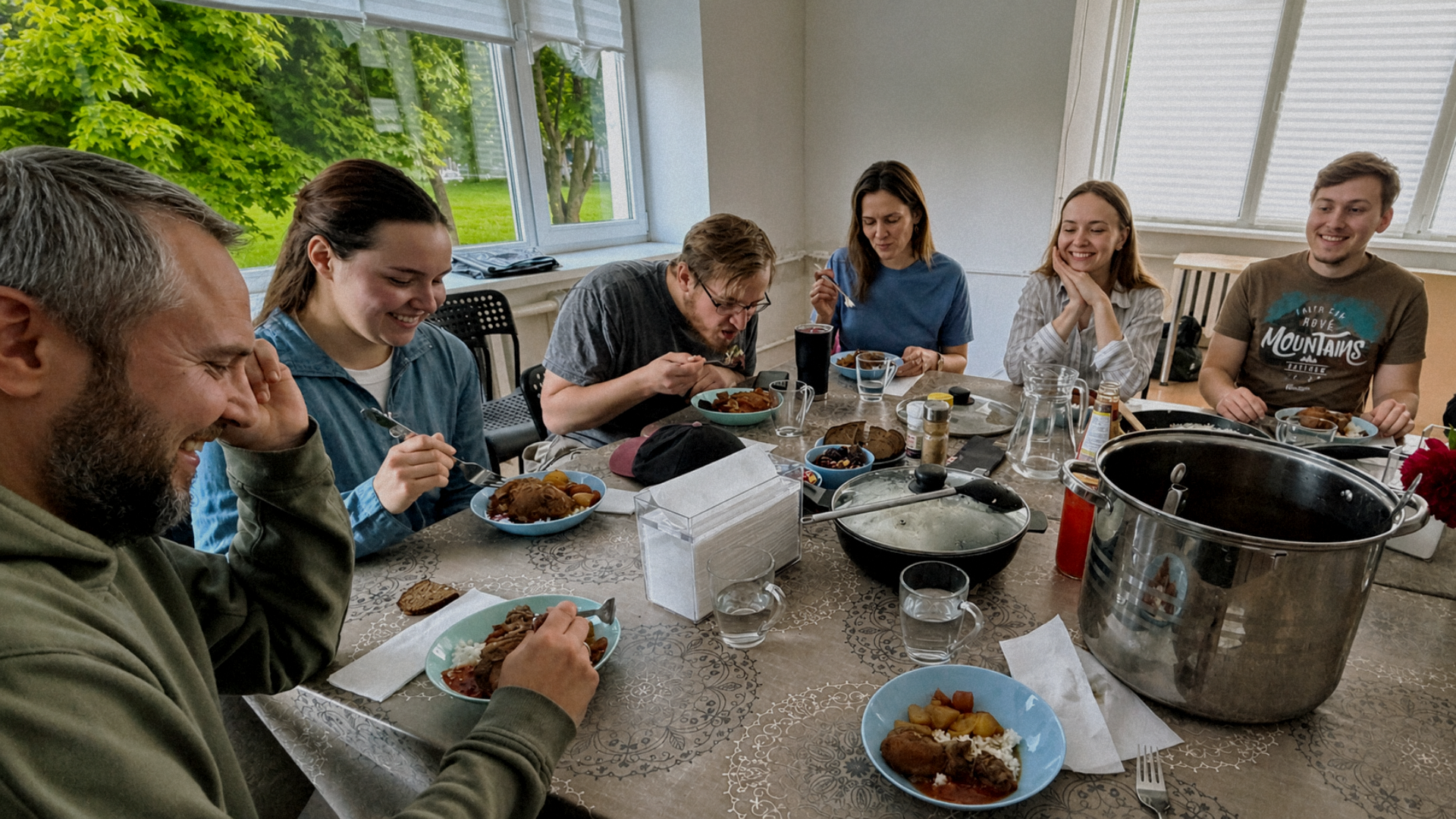
Sharing a meal helps the body slow down. It builds an atmosphere of trust and creates a sense of safety. When caregivers are fed, emotional defenses are lowered and stories emerge naturally. Around the table, people remember they are human, not just helpers.
Mending Together’s unique model of facilitating learning sessions around food supports nervous system regulation, relational safety, and reflective learning—key elements of trauma-informed care.
At the table, people feel connected and open to learning from each other. Since 2023, we have facilitated 12 Table of Hope gatherings. We have found this to be the most relationally practical way to provide the support our clients need.
This is why we continue to gather around the table. What may appear simple is, in practice, deeply transformative. Again and again, we see caregivers exhale, connect, and rediscover hope. Better still, it opens the door to deeper conversations that deserve time, trust, and thoughtful follow-up.
An evening at a Table of Hope
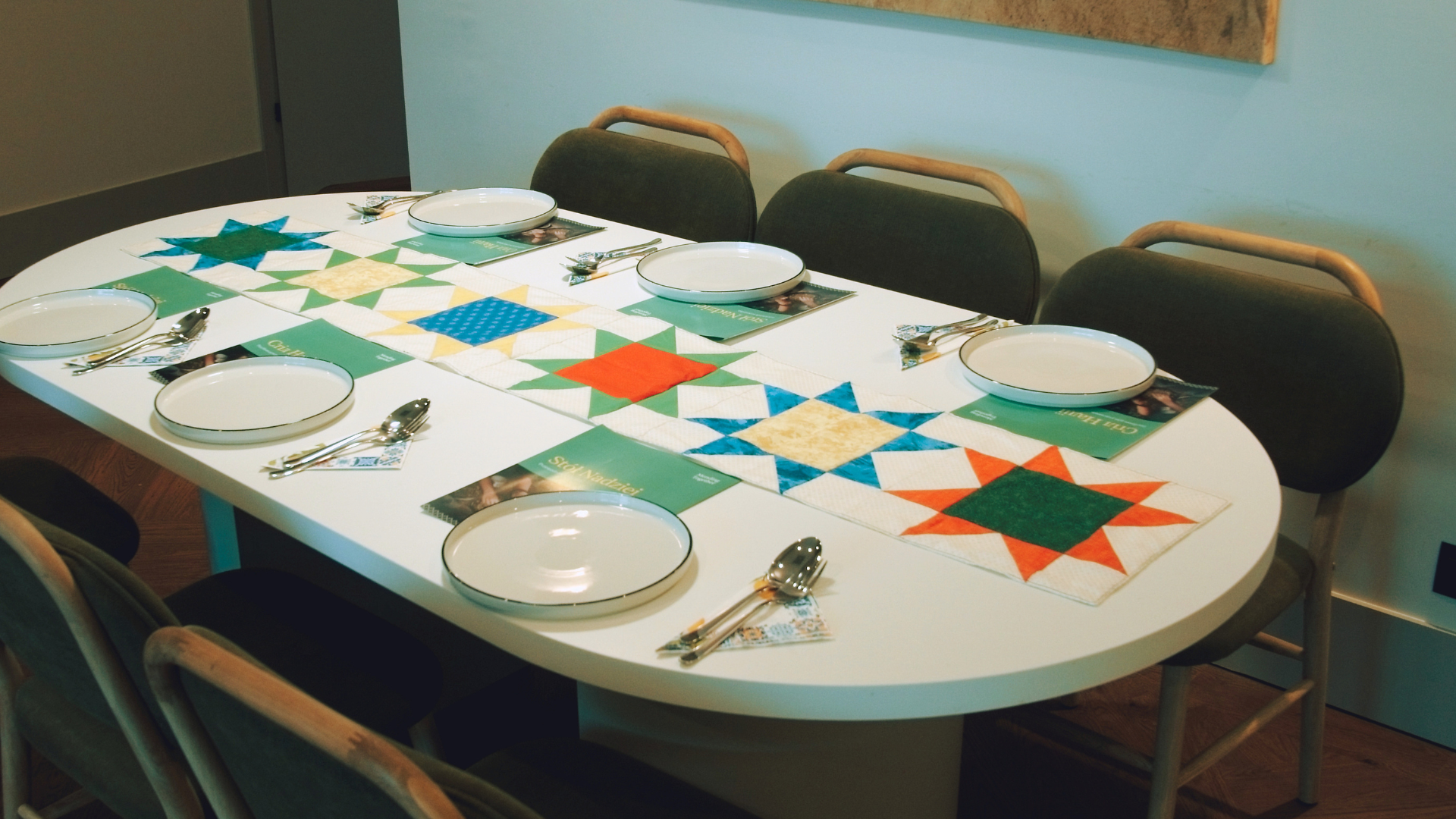
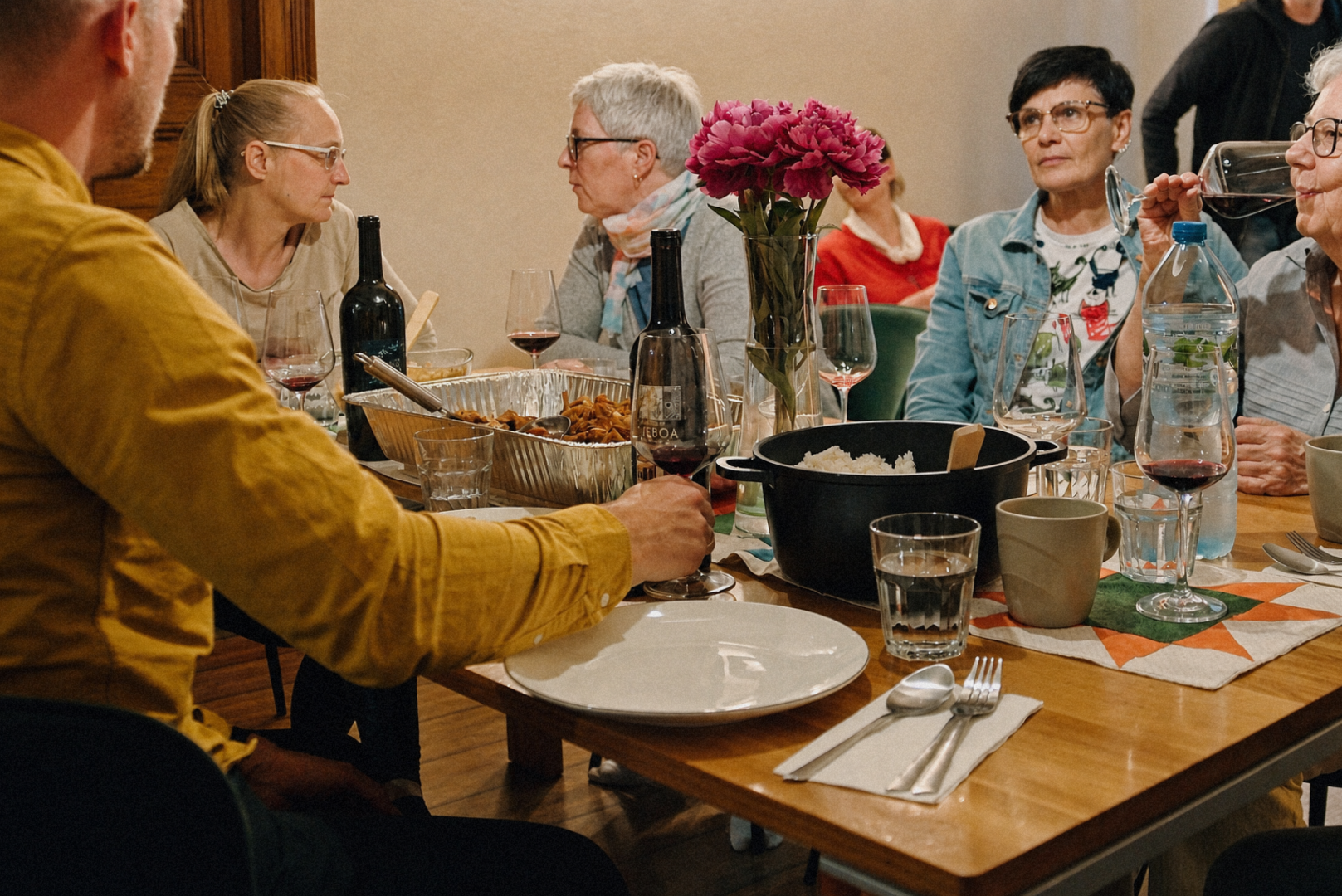
A gathering of 8–12 caregivers for an evening meal hosted in a home, church, or community space that feels warm and non-institutional.
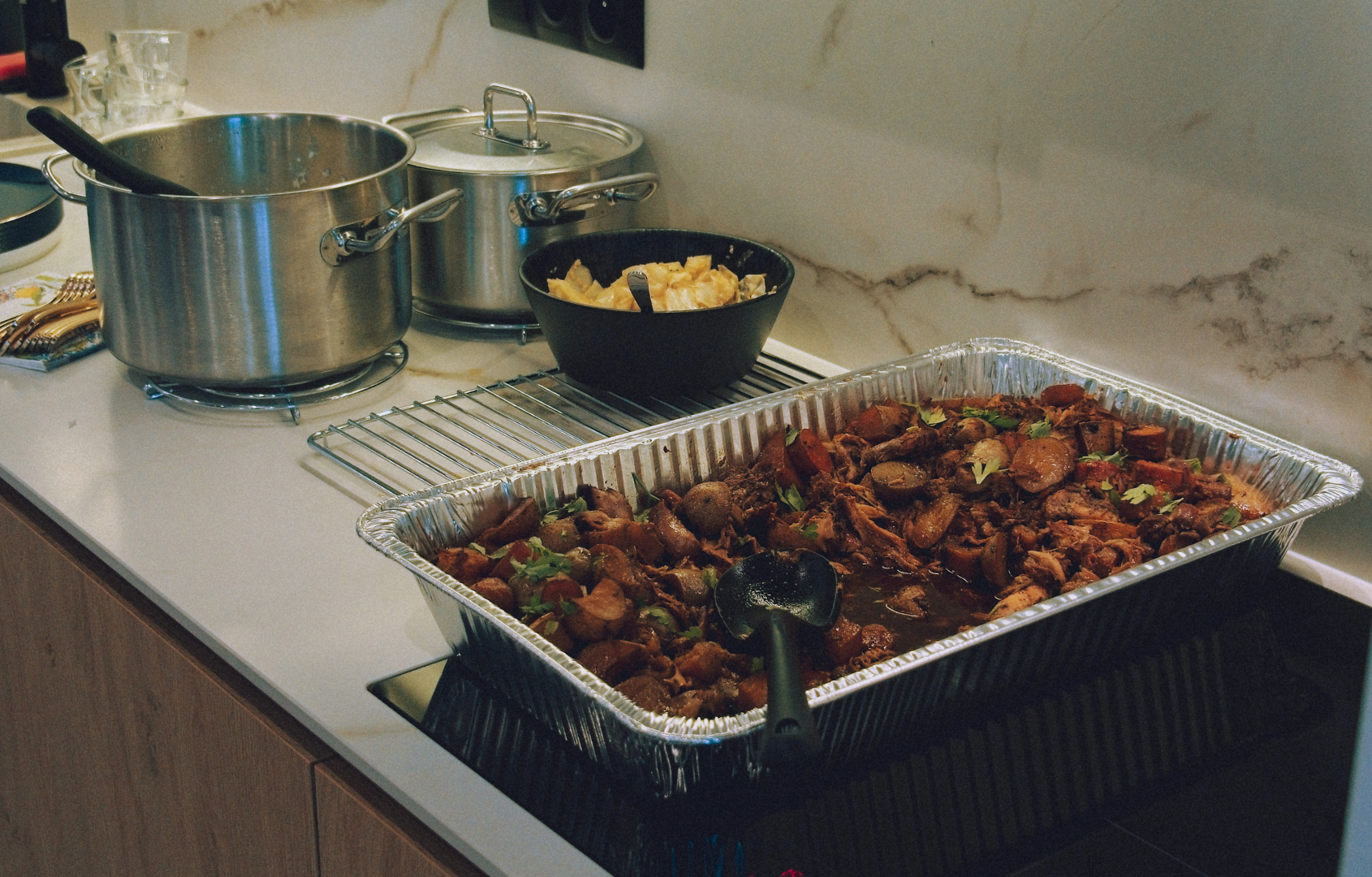
Each gathering includes a home-cooked dinner, fully provided by Mending Together, skilled facilitation that prioritizes safety, dignity, and choice, and trauma-informed psycho-education woven organically into conversation.
It is important to note that the event is not a therapy session or formal training. Instead, it creates conditions where caregivers can slow down, reflect, and reconnect with hope in like-minded community.
Get involved and make an impact.
There are meaningful ways to take part in Table of Hope.
You can sponsor a gathering by helping cover the cost so caregivers can attend and be supported. You can also host a gathering by offering a space where people can come together to rest, reflect, and connect. Or you can plan a gathering within your church or organization, creating a Table of Hope for your own team or community.
-
Table of Hope is for those who are caring for displaced people—especially in contexts of stress, trauma, or displacement.
This includes volunteers, church teams, sponsors, community leaders, and anyone walking closely with people in need. Whether you’re feeling stretched, carrying difficult stories, or simply need space to breathe, this is for you.
It can also be hosted by churches and organizations who want to support the well-being of their teams in a meaningful and sustainable way.
-
The gathering is a simple, guided evening designed for rest, reflection, and connection.
Participants share a meal, engage in gentle, facilitated conversation, and are given space to process their experiences in a supportive environment. There is no pressure to share—just an invitation to be present, listen, and reflect.
Each gathering is shaped to help people slow down, feel seen, and leave with a greater sense of clarity, connection, and support.
-
A Table of Hope gathering is designed to be simple, meaningful, and accessible.
The cost is $40 per person or $480 for an evening gathering of 8–12 participants. This helps cover facilitation, materials, and the creation of a space where caregivers can rest, reflect, and be supported.
We rely on the generosity of sustaining partners to avoid adding a financial burden on participants. When you sponsor or host a table, you’re helping make this kind of care possible for those who are carrying so much.